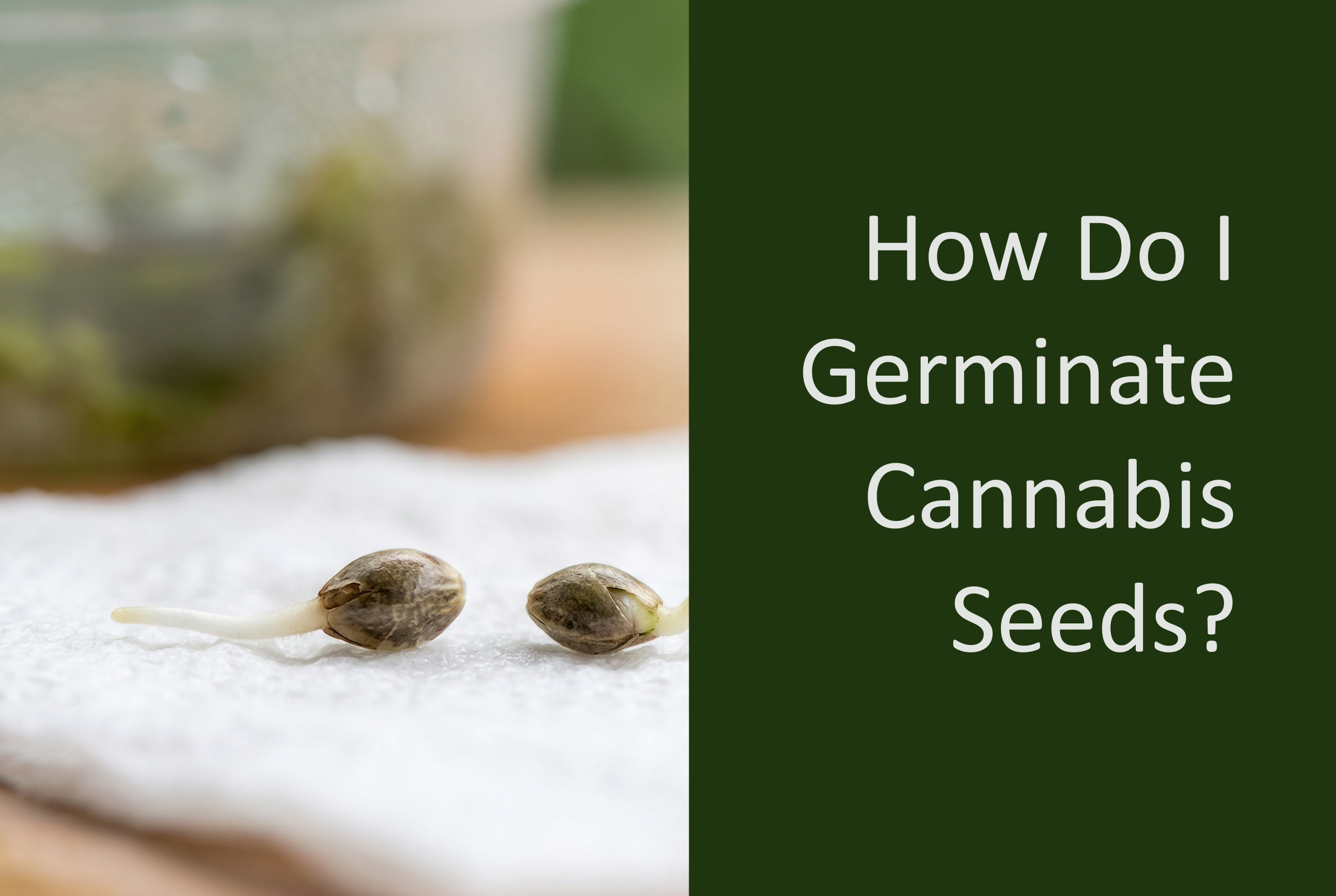
To germinate cannabis seeds successfully, you want to give them three things from the start: gentle moisture, steady warmth, and a clean place to sprout. If you set up those conditions first and then follow a simple process, you give the seed the best chance to open, send out a taproot, and become a healthy seedling.
What Is Germination?
Germination is the first stage of growth. Your goal is to create the right environment so the seed opens on its own. When conditions are right, the shell softens, a white taproot appears, and the seed is ready to move into its growing medium.
If you’re new to growing, it also helps to read whether cannabis seeds can go bad and how to store cannabis seeds long-term so the basics feel more familiar before you move on.
What Will You Need Before You Start?
- Healthy cannabis seeds that look mature, firm, and undamaged
- A simple germination setup such as a damp paper towel between two clean plates
- Clean water
- A warm, stable location away from extreme heat or cold
- A small pot or starter container ready for planting once the seed opens
- A light seed-starting mix or starter plug for transplanting
Before you begin, have everything ready so, once the taproot appears, you aren’t scrambling to find containers, soil, or a place for the seedling to go.
What Conditions Help Cannabis Seeds Germinate?
- Moisture: The seed should stay lightly moist, never soaked
- Warmth: Seeds germinate better in a mildly warm environment than in a cold room
- Cleanliness: Clean materials help reduce the chance of mold or rot
- Stability: Big swings in moisture or temperature can slow or stop germination
Think of germination as a balance. Too little moisture and the seed may not open. Too much moisture and the seed may struggle for oxygen or begin to rot. The same idea applies to temperature. Steady, moderate conditions are better than extremes. If your grow area tends to run cool, focus on creating a more reliable setup with steady warmth and fewer temperature swings before you try again.
For beginners, “lightly moist” means the paper towel or starter medium should feel damp to the touch, but it shouldn’t be dripping water when you lift it. If water pools around the seed, it’s too wet.
How To Germinate Cannabis Seeds
1. Start with good seeds
Pick seeds that look healthy and mature. If a seed is cracked, soft, or very pale, it may be less likely to germinate. Good germination often begins with good seed quality.
2. Prepare a damp paper towel setup
Moisten a paper towel with clean water and gently squeeze out excess moisture so it is damp, not dripping. Place the seed inside the folded towel or between two damp layers, then set it between two clean plates or inside a clean container that helps hold moisture without sealing out all airflow.
3. Put the seed in a warm, dark, steady spot
Place the setup somewhere warm and stable. Avoid windowsills, cold counters, or spots that heat up too much during the day. You don’t need intense light at this stage. What matters most is a calm environment with consistent warmth.
4. Check once a day
Open the setup gently once a day to make sure the towel is still damp and to see whether the shell has cracked. If the towel starts to dry, add a small amount of water. Do not soak it again. Daily checks are enough for most beginners.
5. Watch for the shell to crack and the taproot to appear
This is the sign that the seed has germinated. The first root is delicate, so once you see it, handle the seed as little as possible.
6. Move the germinated seed into its starter container
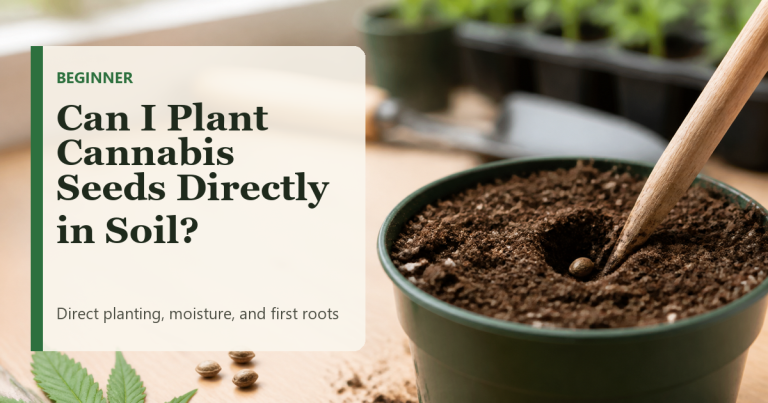
Plant the seed with the taproot facing downward and cover it lightly in your seed-starting mix or starter plug. Do not bury it too deep. A shallow planting depth helps the seedling reach the surface without wasting energy.
7. Support the seedling after planting
Once planted, keep the medium evenly moist and the environment calm. At this stage, the seedling doesn’t need heavy feeding because it needs time to establish roots and push up its first leaves.
How Long Does It Usually Take?
Many cannabis seeds germinate within a few days, but not every seed moves at the same pace. Seed age, seed quality, moisture, and temperature all affect timing. If a seed is taking longer than expected, the best response is usually to check your conditions rather than keep handling the seed.
What If the Seed Does Not Germinate?
If nothing happens after a few days, start by reviewing the basics. Was the towel too wet? Did it dry out? Was the room too cold? In many cases, the problem is environmental, not the seed itself. If a seed still shows no change after a reasonable waiting period under stable conditions, the seed may simply be old or non-viable.
What Common Mistakes Should You Avoid?
- Overwatering and leaving the seed in soggy conditions
- Letting the germination medium dry out too much
- Touching or damaging the taproot
- Starting in a room that is too cold or too hot
- Planting the seed too deep after it opens
- Using old or poorly stored seeds with low vigor
If you’re working with older seeds, proper seed storage becomes especially important because poor storage conditions can reduce viability over time.
What Should You Do Once the Seedling Emerges?
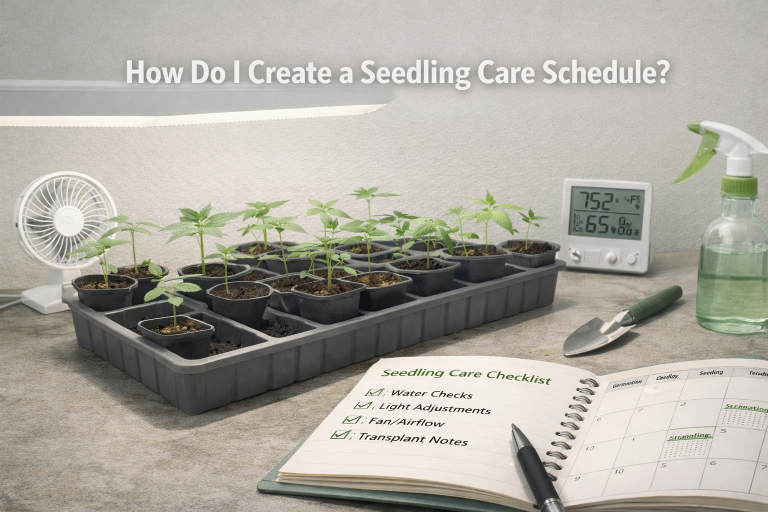
Once the seedling breaks the surface, shift your focus from germination to early seedling care. Give it gentle light, moderate moisture, and a stable environment. Try not to overreact to every small change. Early growth is usually strongest when conditions stay simple and consistent.
Final Thoughts
If you’re learning how to germinate cannabis seeds, the main lesson is to prepare your setup before you start and then let the seed do its work. Healthy seeds, light moisture, steady warmth, and careful handling will carry you much further than complicated tricks. For most beginners, success comes from keeping the process clean, simple, and consistent.
6 responses