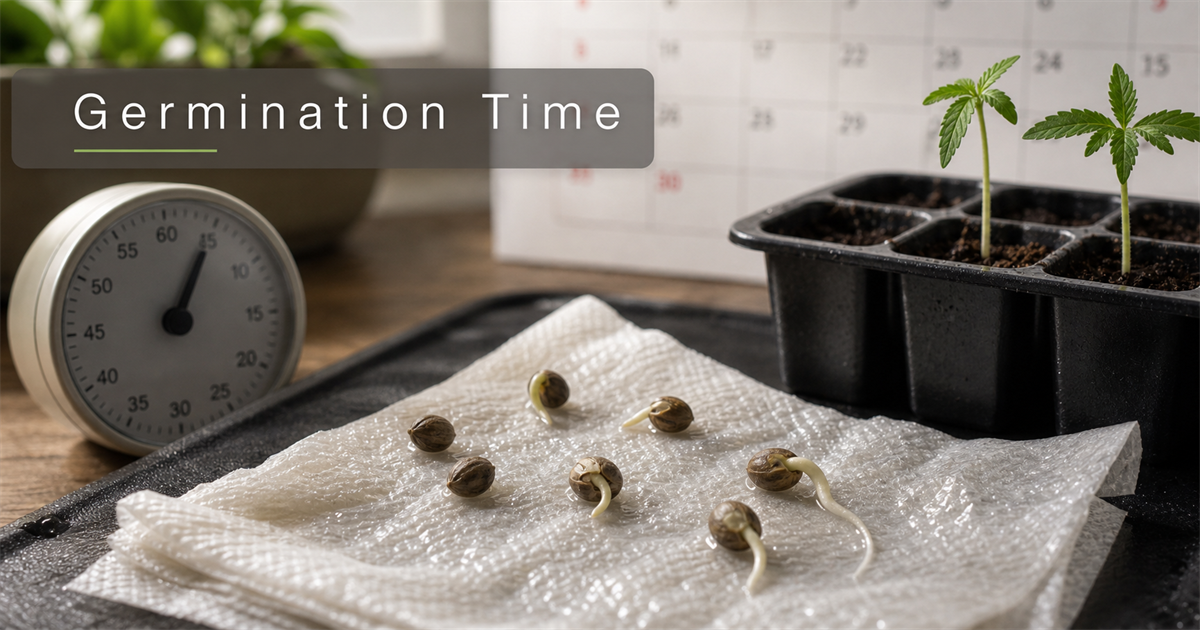
Most cannabis seeds germinate within a few days when they’re viable and kept warm, evenly moist, and protected from stress. Some seeds crack quickly, while others make you wait a little longer because of age, genetics, storage history, temperature, moisture balance, or the germination method being used.
What Counts as Germination?
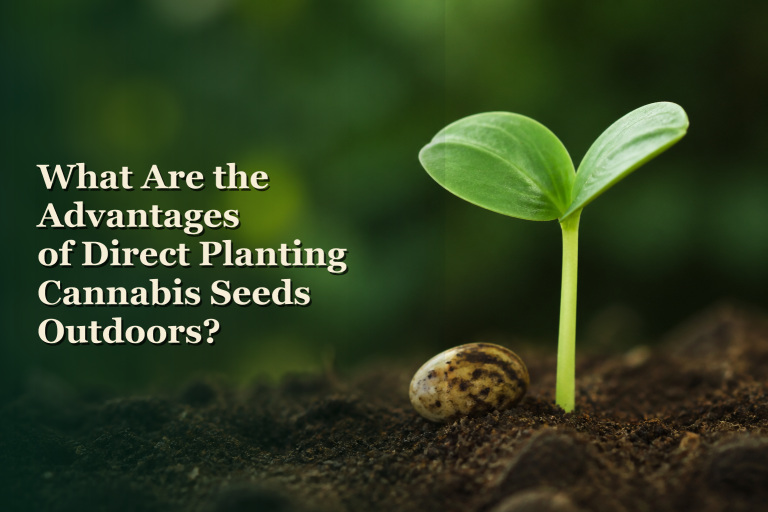
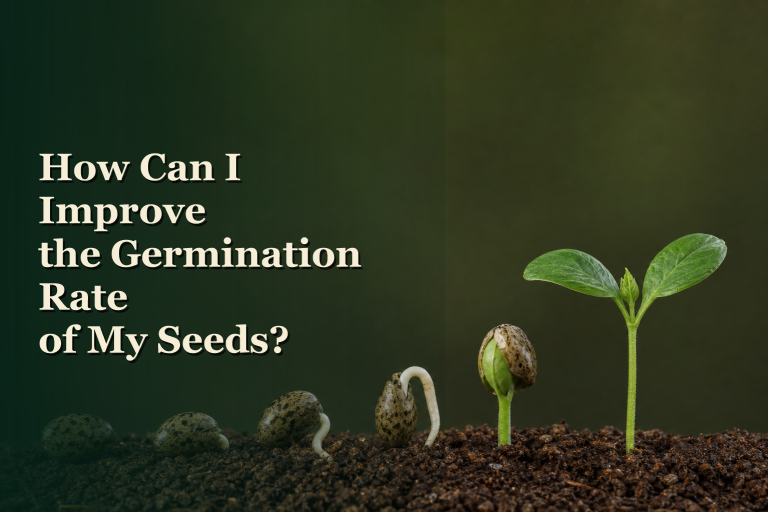
Germination begins when a seed takes up moisture and resumes growth. For most growers, the visible milestone is the first sign of the taproot emerging from the shell. If the seed is planted directly into a medium, the first visible sign may instead be the seedling pushing above the surface.
That distinction matters for beginners. A seed can be germinating below the surface before anything is visible above it. If you are still choosing a method, start with the basic guide to germinating cannabis seeds so the timing makes sense in context.
How Long Should You Expect to Wait?
A healthy seed in good conditions often shows progress within a short window, but germination isn’t a race. A seed that cracks first isn’t automatically the best plant in the pack, and a slower seed isn’t automatically a failure. While you wait, the better question is whether the environment is still protecting the seed.
- Fresh, vigorous seeds may crack quickly under stable conditions
- Older or poorly stored seeds may need more time
- Cool media usually slow the process
- Overly wet conditions can delay progress and increase risk
- Direct-planted seeds may be active before you can see them
What Affects Cannabis Seed Germination Time?
Seed quality and storage history
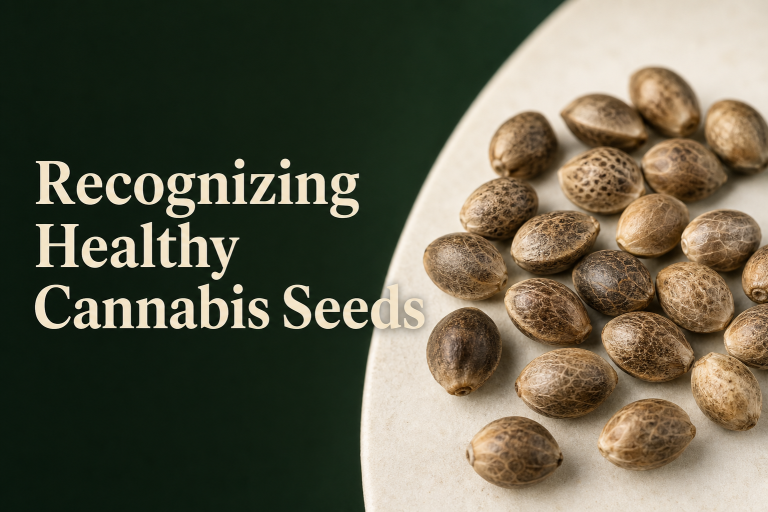
A seed with good seed viability has a better chance of responding predictably. Seeds exposed to heat, moisture swings, rough handling, or long storage under poor conditions can take longer or fail entirely. If you are comparing a fresh pack with older seeds, the article on whether cannabis seeds can go bad helps explain why age and storage matter before germination even begins.
Warmth
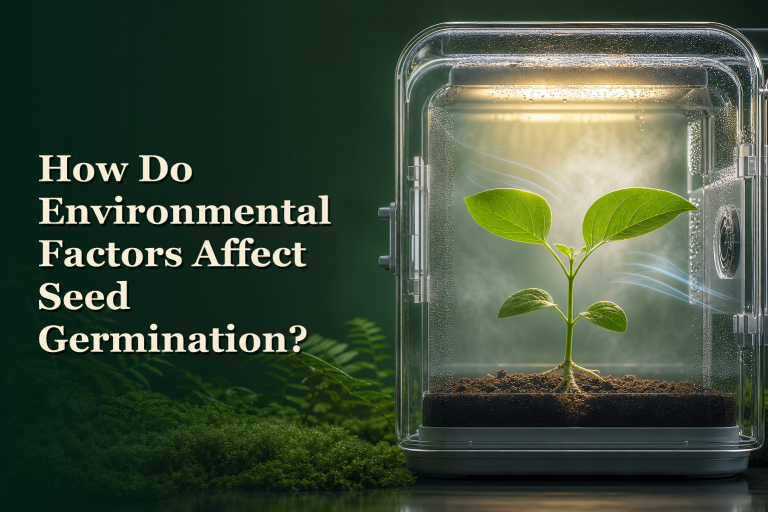
Seeds usually respond better to stable warmth than to cold, fluctuating conditions. A cool windowsill or chilled starter medium can slow water uptake and early root growth. Extra bottom heat can help in a cold room, but only when it is controlled. If temperature is the variable you are troubleshooting, the site’s lighting and heat management resources are a better next step than changing every part of the germination setup at once.
Moisture and oxygen
The seed needs moisture to wake up, but the early root also needs oxygen. That germination moisture balance matters: a paper towel, plug, soil cup, or coco starter that stays saturated can slow the process or create rot-friendly conditions, while a medium that dries out too far can interrupt germination before the seed has established itself.
Germination method
Methods also change what you get to see. In a paper towel, the shell may open right in front of you and the root is obvious. In a starter plug or soil cup, the same early work is hidden until the seedling reaches the surface. That doesn’t automatically make one method faster; it changes the amount of reassurance the method gives you along the way.
When Should You Check on the Seed?
Check often enough to protect moisture and temperature, but not so often that you disturb the seed. Beginners sometimes dig into the medium repeatedly because the surface looks quiet. That can damage a new root or change the moisture pocket around the seed.
If the seed is planted, watch the medium first. Keep it lightly moist, warm, and airy. If the surface dries fast, correct that gently. If the medium stays heavy and wet, stop adding water and let oxygen return to the seed zone. Waiting gets easier when you protect the conditions instead of repeatedly disturbing the seed.
Signs Germination Is Moving Forward
- The seed shell splits
- A white taproot appears
- The planted surface lifts slightly
- A seedling stem or cotyledons emerge above the medium
Once the seedling is above the surface, the job changes. It now needs appropriate light, careful watering, and a calm early environment. The guide on whether cannabis seeds need light to germinate is useful at this handoff because the seed stage and seedling stage are easy to blur together. Germination timing matters less than keeping that first growth steady.
Common Beginner Mistakes While Waiting
- Assuming a seed failed because it didn’t crack immediately
- Adding more water every time progress is not visible
- Letting a paper towel or starter medium dry out
- Handling a new taproot with fingers or tools
- Digging up planted seeds too early
Bottom Line
Cannabis seed germination time varies, but stable conditions matter more than impatience. Keep viable seeds warm, moist but not soaked, and minimally disturbed. Once the seedling emerges, stop watching the clock and start supporting that first stretch of healthy growth.
2 responses