Bulked segregant analysis compares pooled DNA from offspring at opposite ends of a trait. If one parent’s alleles consistently turn up more often in the high group than in the low group across a stretch of markers, that stretch is worth investigating. The pool comparison tells you where to look. Before combining the DNA, set aside a labeled sample from each plant. You’ll need those separate samples to check how well the interval tracks the trait.
The groups have to earn the comparison
Suppose you’re investigating flowering time in one segregating cannabis family. Define the flowering milestone before you score it and measure each plant on the same schedule. If most early plants were scored on one bench and most late ones on another, you may be pooling a bench difference. Keep plant IDs, distribute the family across the growing area and build the two groups from convincing, comparable measurements. Pool similar amounts of DNA per individual so one sample doesn’t dominate the allele counts.
The original method found markers linked to downy mildew resistance in lettuce. It demonstrates the logic of sorting offspring by a trait and looking for inherited differences between the groups. A continuous trait such as flowering time may involve several regions, each with a smaller effect. A rice QTL-seq study shows how sequencing the two pools can locate regions for quantitative traits. A clean contrast in a single-gene example gives you little basis for assuming that a cannabis trait will produce the same result. See the original bulked segregant study.
Use the peak to pick the next samples
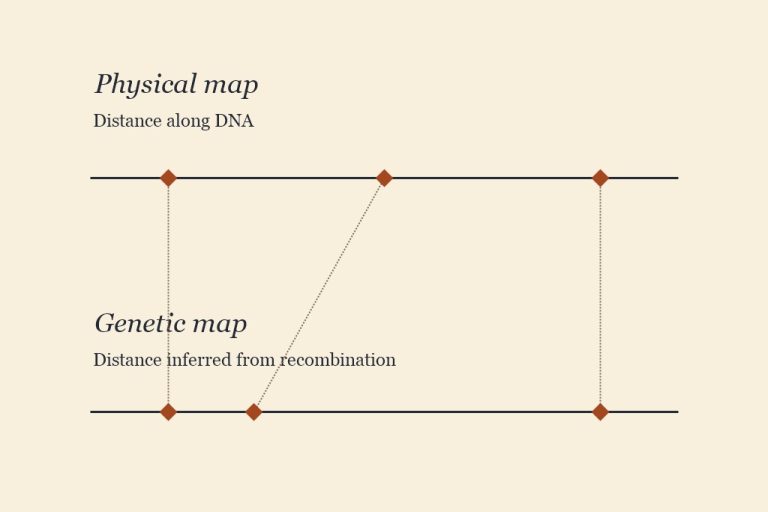
Look for support across neighboring markers and check sequencing coverage before interpreting a large difference at a lone site. Low read depth, alignment problems or an uneven contribution from individuals can exaggerate a difference. Then genotype markers in the candidate interval on individual plants, including offspring outside the extremes if the material is available. Compare the genotype calls to the original trait measurements. Offspring that recombined within the interval can be especially useful for narrowing it.
A convincing peak gives you an interval to follow up, much like the region reported in a quantitative trait locus analysis. Keep the original scores and individual samples so you can check whether the signal survives outside the pools. If you’re planning to select seedlings on the strength of a marker, test the marker in the family where you’ll use it.