When you use direct planting [g] for cannabis seeds outdoors, they germinate where the plants will continue growing. That avoids transplant shock [g] and lets the roots establish in the surrounding soil right away, but you'll have less control over moisture swings, cold nights, pests, and drainage than you would with a protected start.
Advantages of Direct Planting
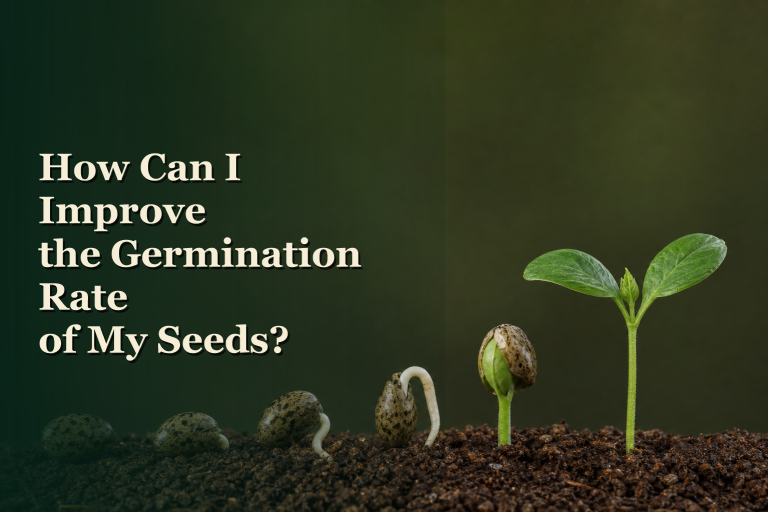
The main benefit of direct planting cannabis seeds outdoors is continuity. The seed opens, establishes its first roots, including the taproot [g], and adapts to one location without being moved.
Potential advantages include:
- No transplant shock
- No risk of damaging a taproot during transfer
- Immediate access to a larger root zone [g]
- Less indoor equipment and handling
- Natural exposure to local light and airflow
This method can be especially useful when the planting site is secure, the weather has settled for the season, and the soil drains well.
Conditions Need to Be Stable
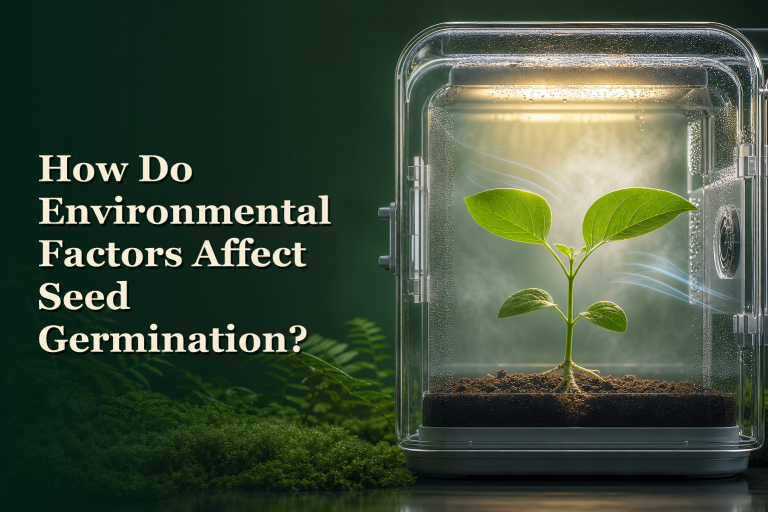
Direct planting is less forgiving when weather is unsettled. Wait until the soil is consistently warm enough for germination [g] and hard frost risk has passed. A seed placed into cold, saturated soil may rot before it emerges.
Choose a site with:
- Loose, aerated soil
- Reliable drainage
- Even moisture without waterlogged pockets
- Protection from birds, rodents, and digging animals
- Enough sunlight for the young plant after emergence
If you're unsure about planting depth or orientation, review the best way to plant cannabis seeds and the focused guide on planting cannabis seeds directly in soil.
Main Risks
Outdoor soil can dry quickly at the surface while remaining wet below, so watering by appearance alone is risky. Heavy rain can compact the planting area or expose the seeds, and a strong watering stream can bury them too deeply.
Your seedlings [g] will also be vulnerable to:
- Slugs and soil-dwelling pests
- Birds and small mammals
- Wind and pounding rain
- Sudden heat
- Crusting soil that blocks emergence
You can use a small ventilated cover to reduce early damage, but it shouldn't trap excessive heat or humidity.
Direct Planting vs. Transplanting
Starting in small containers provides more control over temperature, moisture, and pests. The trade-off is that the seedlings must later be moved. If you use that approach, follow a gradual hardening-off process for cannabis seedlings before full outdoor exposure.
Bottom Line
Direct planting works best when your outdoor conditions are already suitable and you can protect the site. Prepare the soil, plant at a shallow consistent depth, keep the area evenly moist, and avoid repeated digging to check the seeds.