Your cannabis seed germination [g] results depend on moisture, temperature, oxygen, seed quality, and the surrounding medium [g] working together. Light matters less before emergence than the root-zone [g] environment, but you'll need appropriate light ready soon after the seedlings break the surface.
Read the Conditions as a System
It helps to think of germination as a chain rather than a list of settings. Water starts the process, oxygen supports respiration, temperature affects its pace, and the medium determines how water and air reach the seed. If one part of that chain is badly out of balance, improving another part may not solve the problem.
That is also why one slow seed doesn't automatically prove that the environment is wrong. Look for a pattern across the seed lot before you start changing conditions.
Moisture Activates the Seed
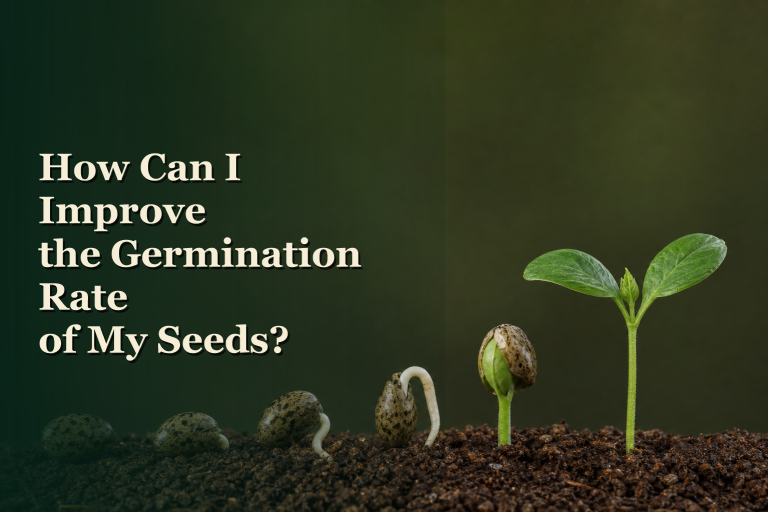
Water softens the shell and starts the metabolic processes that support germination. The embryo [g] inside the seed resumes growth, but too little moisture can stop that process while too much water fills air spaces and limits oxygen.
The goal is a consistently damp environment, not standing water. A medium that repeatedly swings from wet to dry can slow or interrupt development.
Temperature Controls the Pace
Moderate warmth supports enzyme activity and root growth. For many cannabis seeds, a stable range near 70-80°F (21-27°C) is a practical target.
Cold conditions usually slow germination. Excessive heat can injure the embryo, dry the medium, and increase microbial growth. When a room is cold, a monitored heat mat [g] can warm the root zone more consistently than overheating the whole room. The seedling heat mat guide explains how to use one safely.
Oxygen Supports the Emerging Root
Seeds use oxygen as they germinate. Saturated soil, compacted media, or leaving seeds submerged for too long can reduce oxygen around them and encourage decay.
Choose an airy medium and avoid compressing it around the seed. The site's guides to germinating in coco coir and peat pellets explain how two common media hold water and air differently.
Light Matters After Emergence
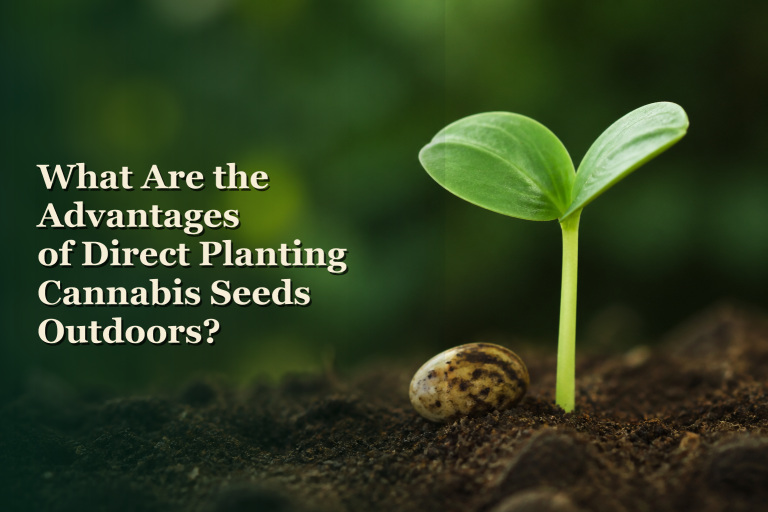
Cannabis seeds don't need strong light while the embryo is still inside the shell. Once the shoot emerges, though, it needs gentle, appropriate light to begin photosynthesis and avoid excessive stretching.
The guide Do Cannabis Seeds Need Light to Germinate? explains what changes between the period before emergence and the point when seedlings appear.
Seed Quality Sets the Starting Point
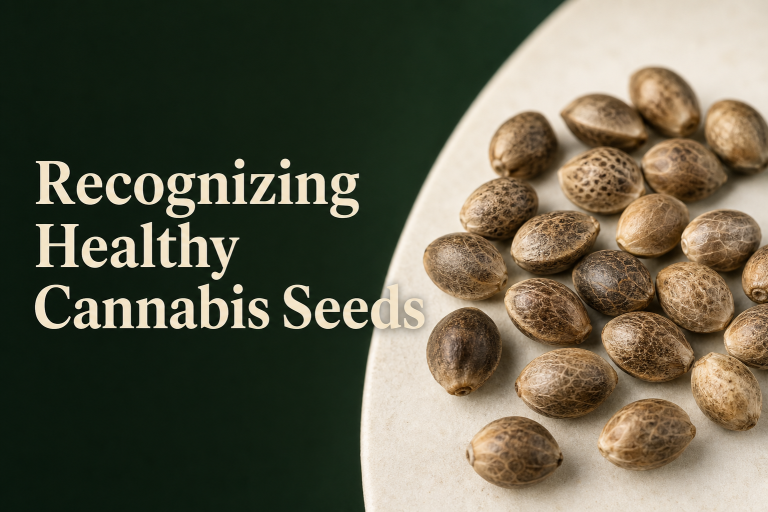
Age, maturity, genetics, and storage history affect how a seed responds to the environment. A damaged or poorly stored seed may germinate slowly even under good conditions, while a fresh, mature seed may tolerate minor variation.
Keep notes on what you're doing:
- Cultivar and seed-lot [g] source
- Storage date and conditions
- Germination method
- Temperature range
- Start and emergence dates
- Number of seeds started and number emerged
Those notes will help you tell the difference between a problem with the seed lot and a problem with the environment.
Diagnose the Pattern Before You Adjust
Don't change several factors at once because one seed is slow. Check your moisture, temperature, and airflow, then compare the elapsed time with the guide on how long cannabis seeds take to germinate.
Use what you see to narrow the cause:
- If most seeds are slow, check the temperature and moisture across the whole container.
- If seeds swell or soften but roots don't emerge, inspect for saturation, low oxygen, or decay.
- If one labeled seed lot lags while another succeeds under the same conditions, storage history or seed quality may be the difference.
- If shoots emerge and then stretch, the germination stage has ended and light is now the more urgent issue.
Controlled research on temperature limits for Cannabis sativa seed germination also shows why a practical temperature range is more useful than treating one number as universal: response can differ by cultivar and by whether you are measuring final germination or speed.
Change One Condition at a Time
Successful germination comes from balance. Keep your seeds moist but oxygenated, warm but not hot, and protected from contamination. If the pattern suggests a problem, change one condition, record what you changed, and give the seeds time to respond. Have gentle light ready as soon as the seedlings emerge.